Small red bumps around your mouth and nose that burn, tighten and flake – and the more you moisturise, the worse it gets? Then the answer to the most important question is often surprising: the right care for perioral dermatitis is usually less care. In this article you will learn why, which one habit pulls many people into a vicious circle, and when you should definitely see a dermatologist.
The honest answer from a beautician, up front: perioral dermatitis is an inflammatory skin condition and belongs in medical hands. What you can do yourself is mainly one thing: stop overwhelming your skin. That, and what really helps, is what I will show you step by step here.
Don’t worry: it is neither contagious nor a sign of poor hygiene. It most often affects women between 20 and 45, who often care for their skin particularly conscientiously. And that is exactly where the catch lies.
✨ Not sure whether it really is perioral dermatitis? We will look at your skin for free – no obligation.
Contents
What is perioral dermatitis – and how do you recognise it?
Typical signs
Perioral dermatitis shows up as small red bumps and pustules around the mouth, nose and sometimes the eyes. Often a narrow strip right at the lip line stays clear.
The skin feels tight, burns, itches or flakes. It has little to do with acne – there are no blackheads, but the surface looks irritated, shiny or rough.
🔍 Red bumps · 🔥 Burning & tightness · 🚫 No blackheads
The quick self-check
Does the redness appear mainly around the mouth and nose, does it burn more than it itches, and did it first improve and then get worse after a new cream or a cortisone ointment? That is a typical pattern – but only a dermatologist can make a reliable diagnosis.
The vicious circle: why more care makes skin worse
The skin around your mouth reacts angrily: it is red, flaky, maybe spotty. So you reach for a rich cream or, worse, a cortisone ointment from the cupboard. At first things calm down. Then the rebound comes, often stronger than before.
The reason: very greasy, occlusive products let the skin “suffocate” and disturb its protective barrier. Cortisone only suppresses the inflammation temporarily, and when you stop it, it flares up again. This creates a cycle many sufferers go through for months.
Remember: the more you “treat” an irritated mouth area with products, the more your skin has to process. Rest is the first step to healing.
What really helps
Less is more
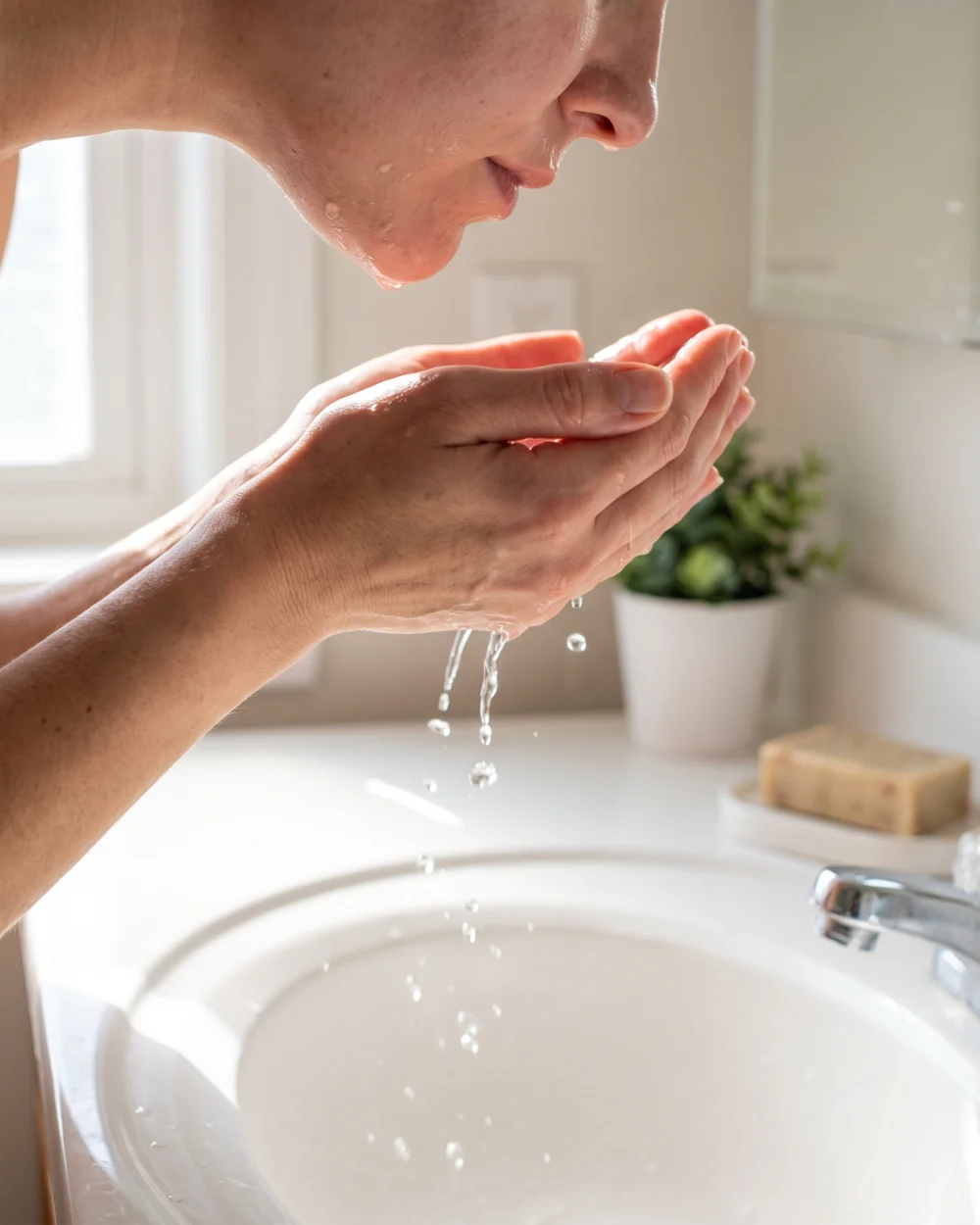
Doctors often recommend the so-called zero therapy: for a few weeks you stop using all creams and cosmetics on the affected area and cleanse only with lukewarm water. It sounds harsh, but it gives your skin time to rebuild its own barrier.
In more severe cases dermatologists additionally prescribe targeted active ingredients, such as anti-inflammatory creams or, in stubborn cases, tablets. You should never try these on your own.
💧 Lukewarm water · 🧖 Patience · 🩺 Medical guidance
Good to know
It often takes 4 to 12 weeks for the skin to calm down. In the first weeks it can even look slightly worse before it gets better. That is not unusual with zero therapy, one more reason to agree on it with your dermatologist.
What does not help (or even harms)
The mistake list
Cortisone ointments without medical instruction: better in the short term, often worse in the long term.
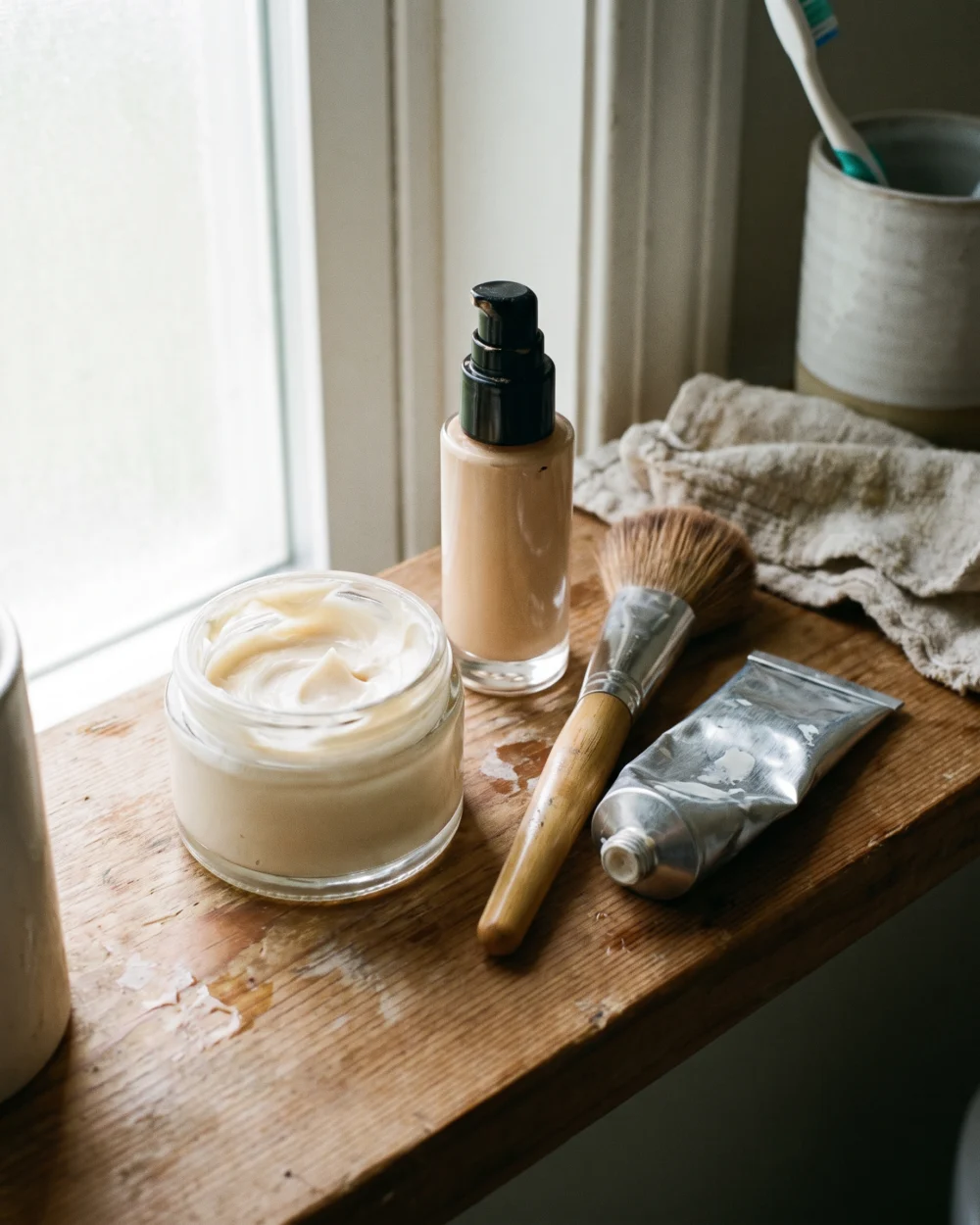
Rich, greasy creams and balms: they burden skin that is already stressed.
Peels, scrubs and microdermabrasion: the skin is already inflamed – any friction or acid increases the irritation.
Covering up with make-up: understandable, but thick foundations seal the skin even more.
⚠️ Not on your own · 🧴 Fewer products · 🚫 No peels
The same applies in our studio: with acute perioral dermatitis we perform no peels, no microneedling and no extractions. We wait until the skin is calm again. That is not caution for its own sake, but the only way not to fuel the inflammation further.
The right care, step by step
Once your dermatologist has confirmed the diagnosis and you want to support your skin, a gentle routine looks like this:
Gentle routine
1. Cleanse: with lukewarm water only, never hot. No foam, no wash gel around the mouth and nose.
2. Pat dry: with a clean, soft towel. Do not rub.
3. Take a break: until the skin is calmer, no creams, serums or make-up on the affected area.
4. Restart carefully later: only a light, fragrance-free cream with few ingredients, one product at a time.
💧 Lukewarm · 🧻 Pat dry · ⏳ One product at a time

Soothing ingredients such as panthenol are often well tolerated by irritated skin. Still, ask your dermatologist which product suits you. You can find more on barrier care basics in our article on dry and dehydrated skin.
When you should definitely see a dermatologist
- The redness and bumps last longer than one to two weeks.
- It burns badly, weeps or forms a yellow crust.
- The eye area is affected too (have it checked by an eye doctor).
- You have applied cortisone in recent weeks and the skin is getting worse.
- You are unsure whether it is perioral dermatitis, rosacea or something else.
The distinction matters because rosacea and perioral dermatitis can look similar but are treated differently. We explain exactly how couperose and rosacea differ in the article Couperose vs. Rosacea.
Helps or harms? The overview
| Measure | Effect on perioral dermatitis | Our assessment |
|---|---|---|
| Lukewarm water for cleansing | Protects the skin barrier | Helps |
| Zero therapy (after medical consultation) | Skin can regenerate | Helps |
| Prescribed creams or tablets | Targeted anti-inflammatory | Helps (doctor only) |
| Cortisone ointment on your own | Better short term, then relapse | Often harms |
| Rich creams | Seal the skin | Often harm |
| Peel, scrub, microneedling | Increases the inflammation | Harms |
How to find out what your skin really needs
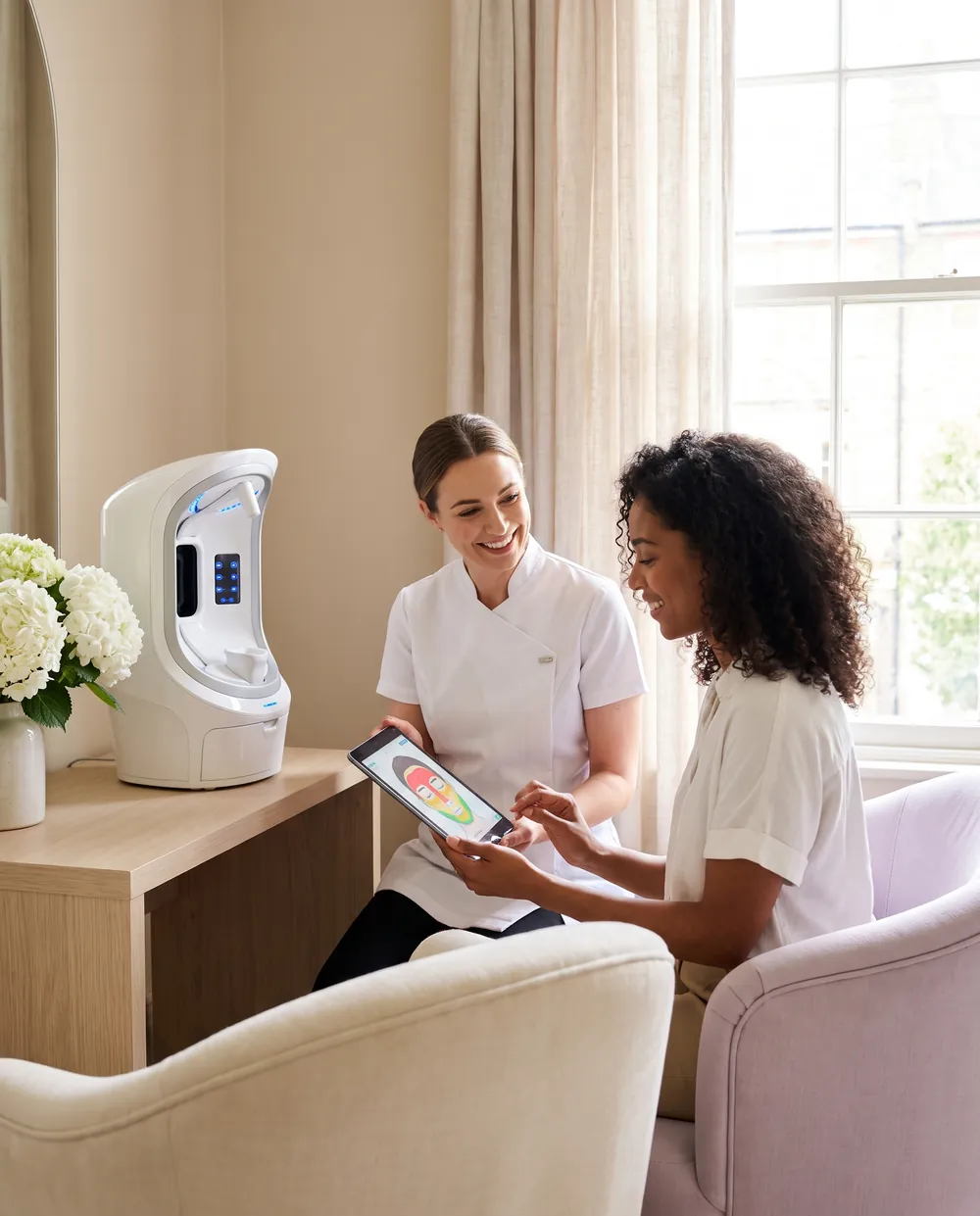
Especially with sensitive, irritated skin it makes sense not to guess. In a professional skin analysis we look closely at skin type, barrier condition and abnormalities, and honestly tell you whether a treatment makes sense now or whether you should see a dermatologist first.
1
Book an appointment
Book online – your skin analysis is completely free.
2
Skin analysis
We assess skin type, hydration, pores & pigmentation.
3
Get your plan
You get an honest recommendation – no obligation.
✦ 100 % free
Your free skin analysis in Munich
Take the first step towards calm, healthy skin. Together we find out what your skin needs right now – and what it should better not get yet.
- Professional assessment of your skin type
- Honest, personal treatment recommendation
- Tips for your home care
- No obligation & no pressure to buy
FAQ about perioral dermatitis
Is perioral dermatitis contagious?
No. The condition is not contagious and has nothing to do with poor hygiene.
How long does it take to heal?
That is individual. Often several weeks to a few months pass. It is important to avoid the triggering factors and follow medical advice.
May I wear make-up with perioral dermatitis?
As little as possible. If you cannot do without it, choose light, non-comedogenic products and apply them only to unaffected areas. Remove thoroughly but gently in the evening.
Does light therapy help with perioral dermatitis?
Caution is needed during acute inflammation. Talk to your dermatologist first. Once the skin is calm again, light therapy can be useful as a complement.
Can I see a beautician with perioral dermatitis?
Yes, for a skin analysis and gentle, soothing treatments, but only when there is no acute flare. Peels and microneedling are taboo in the acute phase.